
Despite strong grid coverage, many areas in Kenya still face energy access and reliability challenges — especially rural and remote regions. According to recent reports, while grid access has grown substantially, distributed energy solutions such as solar mini-grids offer a complementary path. For businesses operating beyond major cities — agribusinesses, processing plants, community enterprises — off-grid or hybrid power models are becoming increasingly viable.
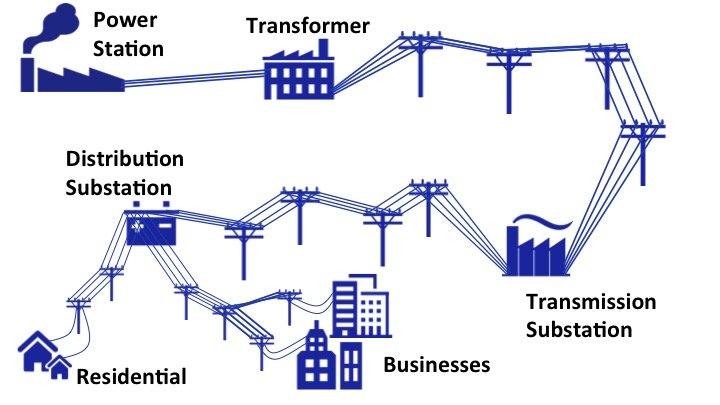
Distributed systems offer key advantages: reduced reliance on long transmission lines, improved resilience to outages, and potential for tailored capacity. For example, the growth in rural electrification and mini-grid adoption provides openings for enterprises looking to tap underserved regions. Moreover, Kenya’s clean-energy surge (renewables supplying more than 80% of grid power) establishes a strong policy backdrop. For companies, this means opportunity — whether as a user of off-grid power, a partner in energy solutions, or a supporter of distributed infrastructure.
However, success requires thoughtful planning: assess load profiles, understand local regulation (for instance licensing of mini-grids), and evaluate total cost of ownership (installation + maintenance + grid-tie potential). The good news: Kenya’s regulatory environment increasingly supports distributed renewable solutions. For businesses willing to make the shift, off-grid and distributed energy aren’t just alternatives — they are strategic assets that enable expansion into frontier markets, improve reliability and enhance sustainability credentials.