
The Kenyan energy sector is shifting rapidly. As of the latest data, over 84% of Kenya’s electricity supplied to the national grid comes from renewable sources such as geothermal, hydro, wind and solar. This move is more than an environmental headline — it presents tangible opportunities for companies across the value chain. For businesses, reliable and affordable power is a competitive advantage. Kenya recorded a peak demand of 2,316 MW in 2025, underscoring rising electricity needs as industry expands. With renewables dominating the mix, companies engaging in manufacturing, processing and heavy consumption can benefit from an increasingly stable grid and potential green-cost credentials.

Yet, transition isn’t automatic. Materialising this momentum requires infrastructure investments, smart procurement and alignment with policy. For example, geothermal remains a pillar — Kenya ranks first in Africa in geothermal capacity. But solar and wind still carry upside potential, particularly in off-grid or hybrid setups.
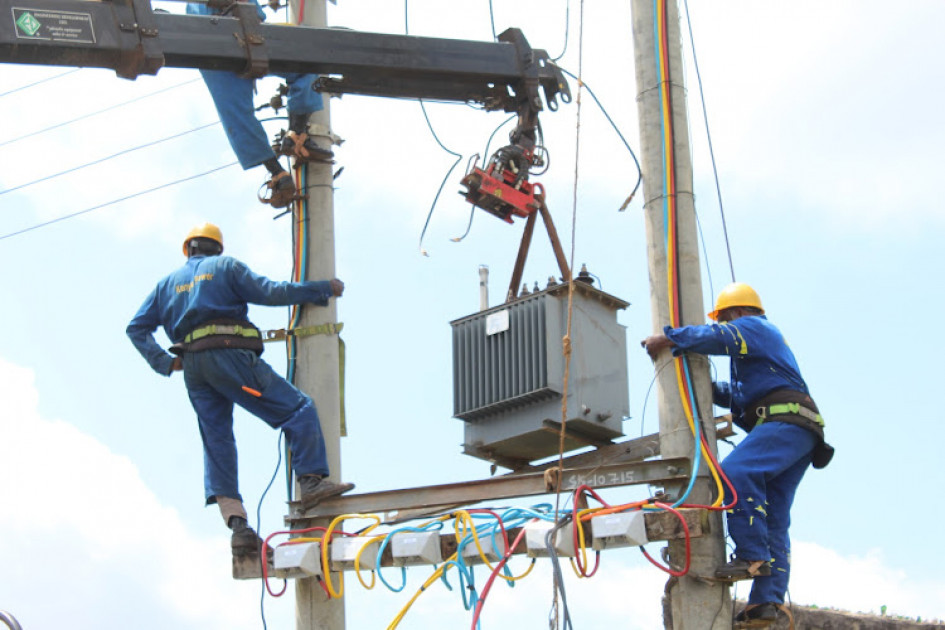
For businesses exploring operations in Kenya, the message is clear: embed energy strategy into your business plan. Look beyond price per kWh — consider reliability, grid access, potential for renewable certificates, and how your brand can align with Kenya’s green journey. In a market where more than eight out of ten units of electricity come from clean sources, forward-looking firms will not only benefit from cost and risk mitigation—they’ll gain by being part of a transformational narrative.