
Kenya’s energy landscape is undergoing a structural transformation — moving from reliance on fossil-fuel-based generation to a dominant renewable energy mix. Data shows that by 2022, some 86% of electricity generation in Kenya came from renewables. For industrial and commercial enterprises, this transition carries both risks and opportunities.
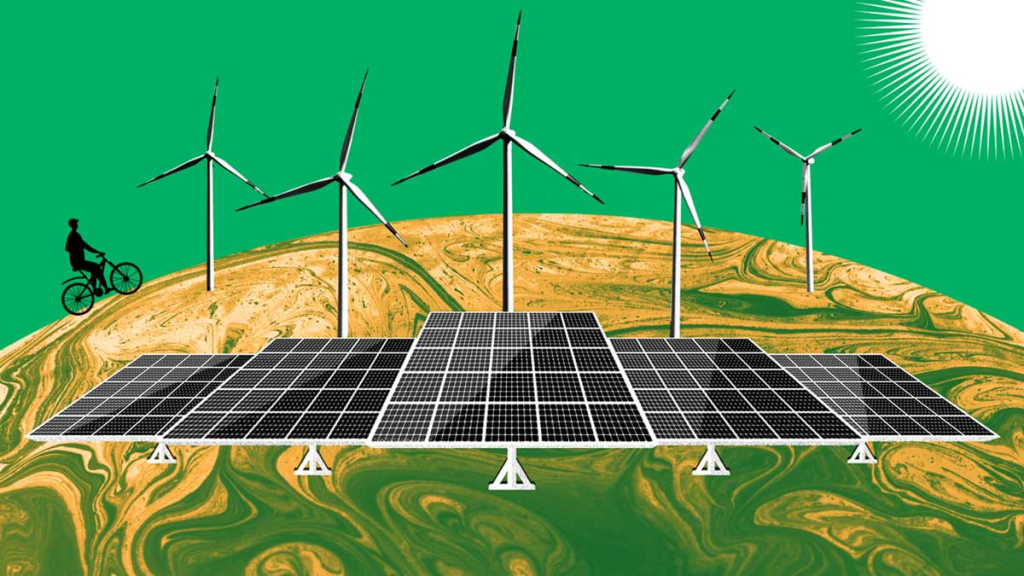
On the risk side: as the system evolves, older thermal or fuel-import reliant plants may become cost-lier, transmission constraints may rise with new capacity, and industry must adapt to evolving tariff structures, grid-management regimes and sustainability expectations. On the opportunity side: companies located in Kenya can leverage cheaper, cleaner power, tie into Kenya’s reputation for green credentials, and align with global ESG (Environmental, Social, Governance) requirements. The recent Energy & Petroleum report highlights that the installed capacity of renewables reached over 2,300 MW and that regulatory instruments are being updated.
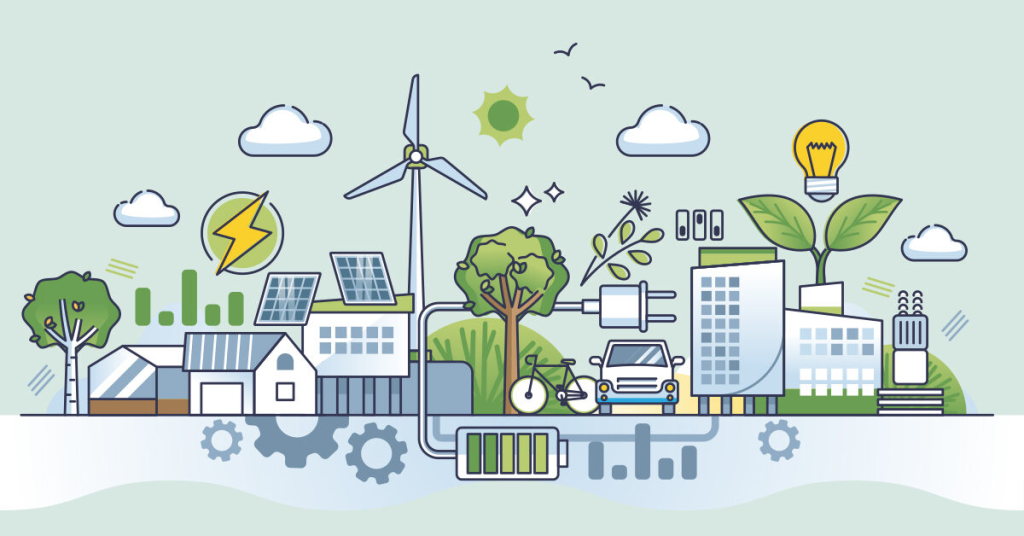
Industrial firms should therefore integrate energy into strategic planning: evaluate energy-intensive operations, assess potential partnerships with renewables, and consider how energy sourcing affects cost, reliability and brand positioning. In a competitive era where power supply can be the difference between meeting deadlines or facing production downtime, Kenya’s clean energy promise is an enabler. Businesses that anticipate and adapt — choosing clean, reliable, cost-effective power — will not only survive Kenya’s energy shift but may well thrive because of it.