
Kenya has made notable strides in securing access to global markets through multiple trade agreements, securing access to markets that represent as much as 46 % of global GDP. Agreements with regional blocs and partners enable Kenyan exporters to reach far-flung markets. This access is especially beneficial to manufacturing, agro-processing and light industrial sectors seeking scale.
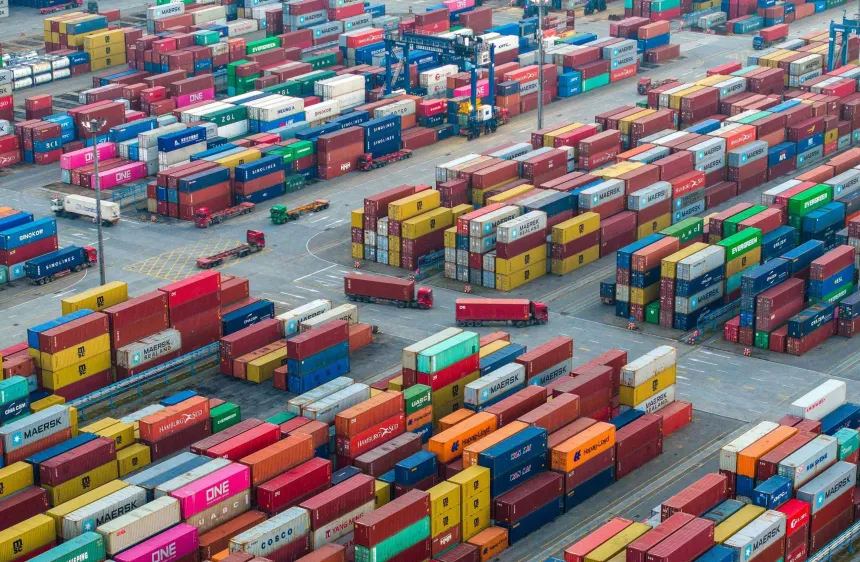
Despite this achievement in market access, infrastructure and capacity challenges remain. Effective trade depends not just on market agreements but also on transport, logistics, port efficiency and supply-chain robustness. Kenya’s transport and customs systems are undergoing reform, yet high costs and occasional delays persist. Additionally, many Kenyan exporters remain concentrated in raw or semi-processed exports, which limits earnings compared with value-added goods.
From a business perspective, firms that invest in efficient logistics, upgrade processing capabilities and align products with negotiated trade-deal standards are positioned to benefit most. For Kenya’s trade ambitions to translate into substantive economic transformation, the combination of market access, logistical efficiency and value-addition will need to align.