
Kenya’s retail sector has undergone remarkable transformation over the past two decades, evolving from traditional open-air markets and small kiosks to a modern, diverse landscape of supermarkets, shopping malls, and online stores. This growth has been driven by a rising middle class, urbanization, and improved consumer purchasing power.
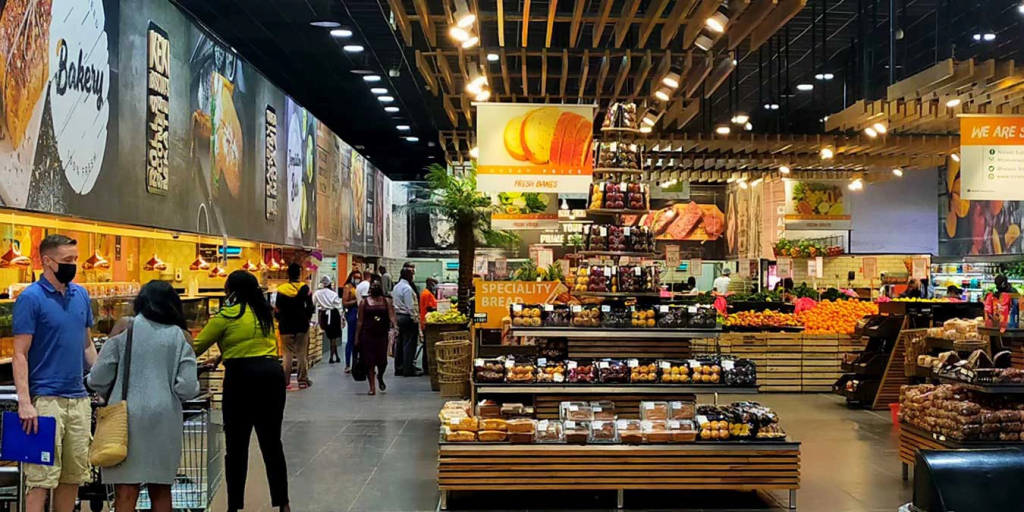
Major players such as Naivas, Quickmart, and Carrefour have reshaped the shopping experience by combining convenience, variety, and competitive pricing. Meanwhile, traditional dukas remain crucial, especially in rural and peri-urban areas where they serve as the backbone of household essentials.
The rise of e-commerce platforms like Jumia, Glovo, and Copia has further expanded accessibility, allowing Kenyans to shop from anywhere and have goods delivered to their doorsteps. However, the sector still faces challenges such as high operational costs, inconsistent supply chains, and fluctuating consumer demand.
Looking ahead, hybrid retail models — blending physical and online shopping — are expected to dominate. Businesses that adapt to digital integration, focus on customer experience, and maintain affordability will continue to lead Kenya’s retail revolution.