
Sustainability is becoming a defining feature of Kenya’s modern manufacturing industry. With growing pressure to reduce carbon emissions and waste, companies are rethinking their production models. Manufacturers in Kenya are now adopting green energy solutions, recycling materials, and reducing water usage to stay competitive and environmentally responsible.
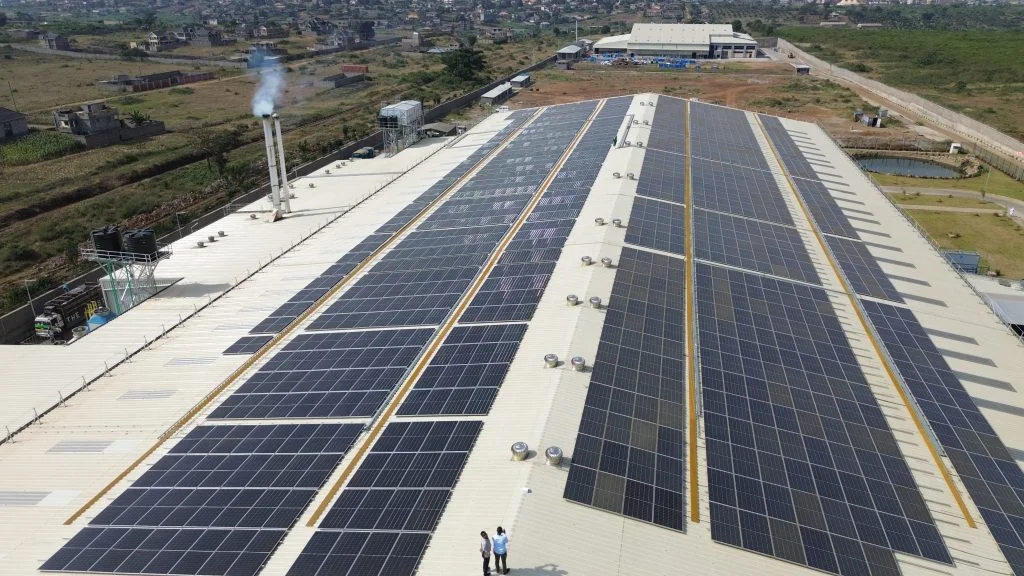
Industries like beverage bottling, textiles, and cement have begun shifting to renewable energy sources such as solar and biomass. For instance, major plants in Nairobi and Athi River have installed solar systems that cut electricity costs by up to 30%, while reducing their carbon footprint.

The Kenya Green Manufacturing Strategy, developed by KAM in partnership with the Ministry of Industry, is guiding factories toward cleaner production and circular economy models. This shift not only meets environmental goals but also attracts eco-conscious consumers and international investors.
As Kenya positions itself as a regional manufacturing hub, adopting sustainable practices will ensure long-term growth and compliance with global standards. The future factory in Kenya will be digital, efficient, and green—producing value for both the economy and the environment.