
Despite erratic weather patterns and global market shocks, Kenya’s agricultural sector demonstrated resilience in 2024, growing by approximately 4.6 %. This performance was driven by gains in livestock production, sugarcane and horticulture, even as staple crops like maize declined.
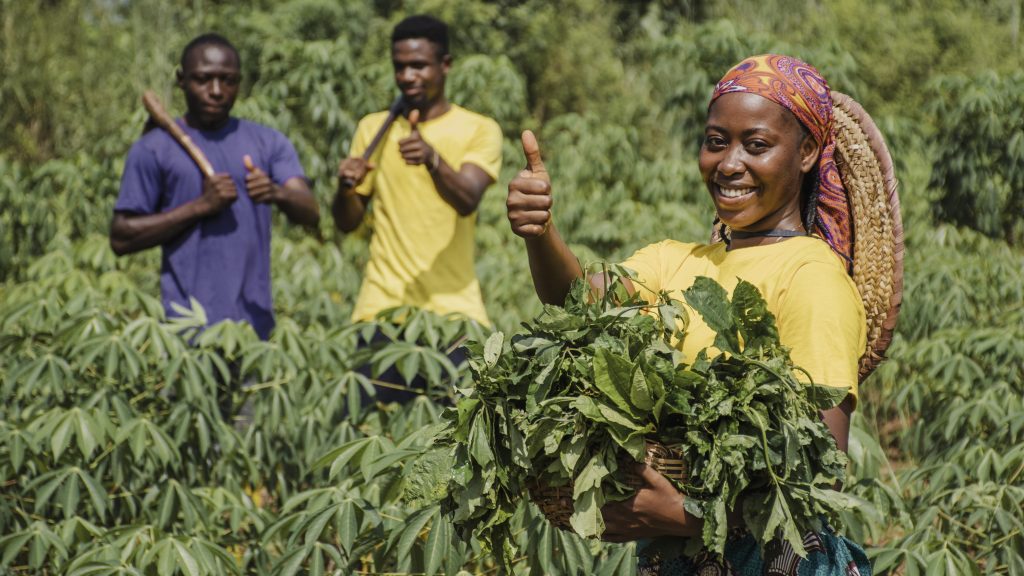
Climate variability is no longer a future risk; it is a present reality. For farmers across Kenya, from high-rainfall tea zones to arid and semi-arid lands, adaptability is key. Digital weather tools, drip irrigation and solar-powered water pumps are increasingly being deployed to mitigate drought risk and yield loss.
Moreover, integrated value chains are gaining traction. The livestock sub-sector alone posted strong growth: milk market volumes jumped 12 % in 2024, while earnings rose 17.4 %. These figures underscore that diversification within agriculture — crops + livestock + value-addition — builds resilience.
Government policy and investor attention are also shifting. Initiatives such as the five-year food-systems project launched by USAID target over 600 000 Kenyan farmers with support for productivity, supply-chain linkages and climate-smart practices.
For agribusinesses in Kenya, now is a time to align strategy with these shifts: adopt climate-smart farming methods, diversify production and explore value-added pathways. The future of Kenyan agriculture will reward those who combine tradition and innovation, local knowledge and market orientation. The stronger you build your chain now, the more resilient and competitive you will be tomorrow.