
In 2024 Kenya’s export earnings reached approximately KSh 1.11 trillion, marking a growth of about 10.4 % over the previous year. At the same time, import expenditure rose at a slower rate of around 3.6 %, which helped the merchandise trade deficit narrow slightly from about KSh 1.60 trillion to KSh 1.59 trillion. The export-to-import cover ratio improved from around 38.6 % to about 41.1 %.
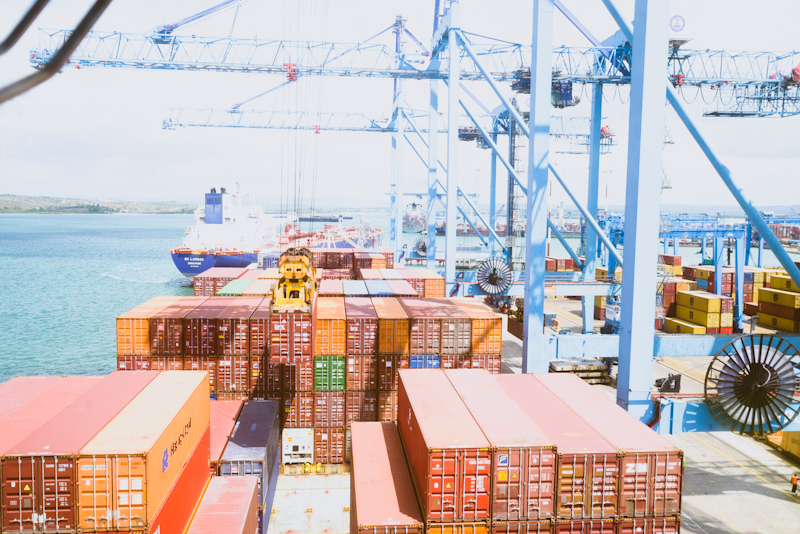
The growth in exports was driven not only by traditional agricultural exports such as horticulture and tea but also by a significant rise in re-exports. Re-exports alone grew by more than 77 %, underpinning some of the gains in overall trade performance. Even with these improvements, Kenya’s dependence on imports for industrial inputs, petroleum products and machinery remains high, meaning the trade balance continues to face structural pressures.
The advancement in trade performance demonstrates progress, but it also highlights persistent vulnerabilities. Kenya’s ability to diversify exports, increase value addition, and reduce reliance on imported raw materials will determine how meaningful the shift is. For private sector participants and policymakers alike, the task now is to build on export momentum while strengthening local manufacturing and supply-chain resilience.