
Kenya’s agricultural sector remains one of the country’s most important economic pillars, supporting millions of livelihoods while contributing significantly to national food security, exports, and employment. As climate change continues to reshape weather patterns, the sector is increasingly embracing innovation, technology, and sustainable farming practices to improve productivity and strengthen resilience against environmental and economic challenges.
Across Kenya, farmers are experiencing more frequent droughts, unpredictable rainfall, floods, and rising temperatures. These conditions have accelerated the adoption of climate-smart agriculture, including drought-tolerant crop varieties, precision farming, conservation agriculture, efficient irrigation systems, and improved livestock management. By combining traditional farming knowledge with modern technologies, producers are becoming better equipped to manage climate risks while maintaining productivity.
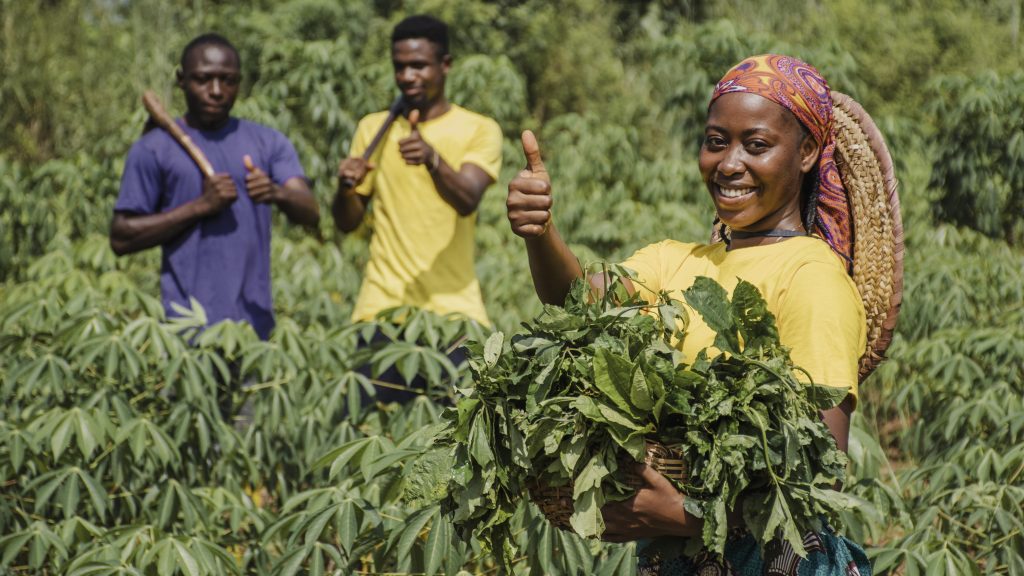
Digital agriculture is also transforming farming operations. Mobile applications now provide real-time weather forecasts, pest and disease alerts, market information, and agronomic advice that help farmers make informed decisions throughout the growing season. Satellite imagery, drone technology, remote sensing, and Internet of Things (IoT) devices are increasingly supporting precision agriculture by improving crop monitoring, irrigation planning, and resource management.
Kenya’s livestock, horticulture, tea, coffee, and dairy industries continue to demonstrate resilience through diversification and value addition. Agribusinesses are investing in modern processing facilities, cold-chain infrastructure, and improved logistics to reduce post-harvest losses while increasing access to domestic, regional, and international markets. These investments are strengthening agricultural value chains and creating new income opportunities for farmers and rural communities.
Government agencies, development partners, financial institutions, and private sector investors continue to support sustainable agricultural development through climate adaptation programs, digital extension services, affordable financing, crop insurance, and research into climate-resilient farming systems. Increased attention is also being given to regenerative agriculture, soil restoration, water conservation, and carbon-smart farming practices that improve long-term productivity while protecting natural resources.
Looking ahead, Kenya’s agricultural future will depend on continued investment in innovation, sustainability, and market access. Agribusinesses that embrace climate-smart technologies, diversify production, strengthen value chains, and adopt environmentally responsible practices will be better positioned to remain competitive in an increasingly climate-conscious global economy. Building resilience today will help ensure long-term food security, economic growth, and sustainable rural development for Kenya in 2026 and beyond.