
Kenya’s manufacturing industry is undergoing a steady transformation, driven by technology, regional integration, and supportive government policies. Once dominated by traditional sectors such as food processing, textiles, and cement, the industry is now embracing innovation to improve efficiency and competitiveness. The Kenya Association of Manufacturers (KAM) estimates that manufacturing contributes about 7.8% of the country’s GDP, with ambitions under Kenya Vision 2030 to raise this to 15%.

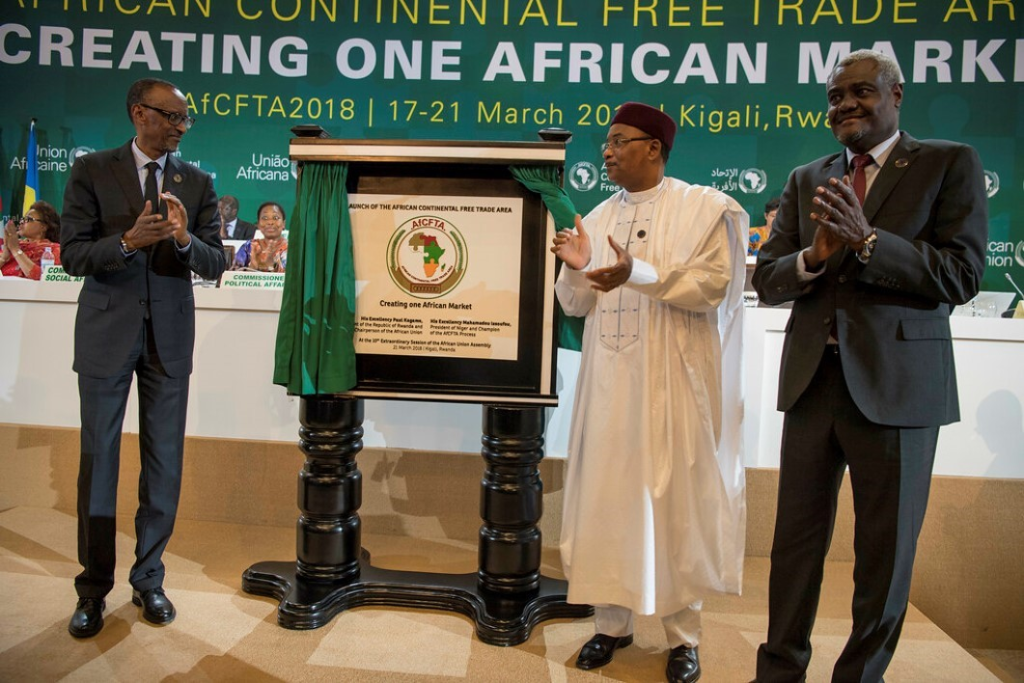
A major shift is happening through industrial parks and Special Economic Zones (SEZs) such as Tatu City and Naivasha Industrial Park, which attract both local and foreign investors. These hubs offer tax incentives, infrastructure, and reliable energy access—critical factors for scaling production. Moreover, the African Continental Free Trade Area (AfCFTA) presents new export opportunities, allowing Kenyan goods to reach a wider regional market.
However, the industry still faces challenges such as high electricity costs, import dependence on raw materials, and logistical inefficiencies. Addressing these issues requires consistent policy implementation and greater collaboration between the public and private sectors.
The future of Kenya’s manufacturing lies in embracing digital transformation, automation, and sustainable practices. By combining modern technology with local innovation, Kenya can build an industrial base that creates jobs, reduces imports, and strengthens the economy.