
Kenya’s healthcare landscape is undergoing a notable shift as private providers become increasingly prominent. According to reports, the private sector now contributes nearly 50 % of healthcare services in the country. Meanwhile, the hospital-market value is forecast to reach KSh 349 billion (~US$2.7 billion) by 2029, up from KSh 239 billion in recent estimates.
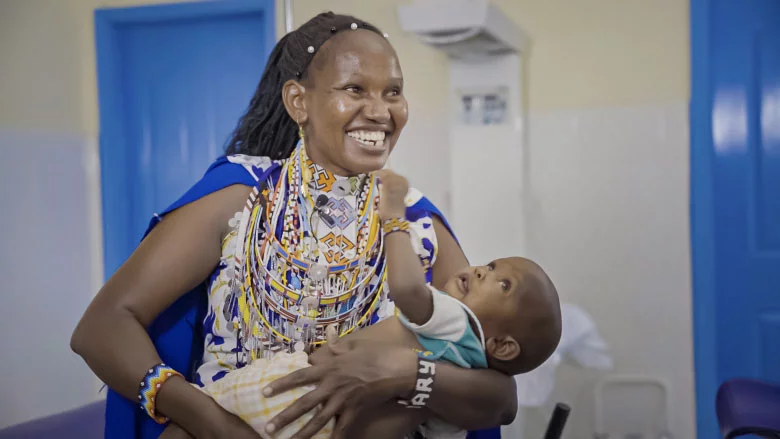
What’s driving this expansion? Growth of the middle class, rising demand for specialised care (chronic disease management, diagnostics), and increased willingness to pay for quality have all created market openings. For healthcare entrepreneurs and investors, this means opportunities in private hospitals, diagnostic labs, outpatient centres and tele-health services. However, transformation comes with challenges. Infrastructure gaps persist: many facilities in rural areas remain under-equipped, and staffing remains constrained. Also, public-private coordination is still weak — data sharing, standardisation, and financing models often lag behind.
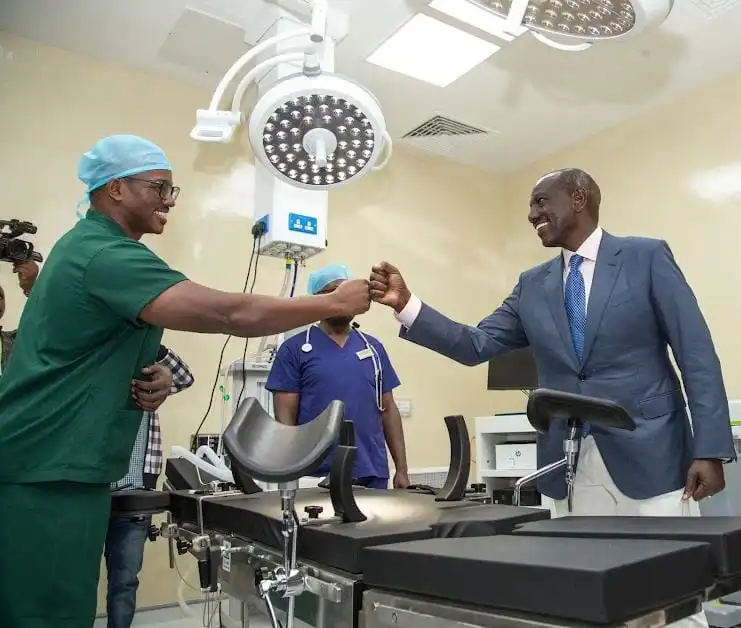
For businesses in the sector: focus on aligning services with rising demand, targeting urban and peri-urban regions, and emphasising quality, speed and transparency. Whether starting a new clinic, expanding a diagnostic chain or investing in tele-medicine, position your brand not just on access but on differentiated patient experience. Kenya’s healthcare market is evolving — those who adapt to the private-sector growth wave will be best positioned.